

China has long ago given India a tempting offer of zero tariff, RCEP is its platform. But India is cautious about it. India already has a huge trade deficit with China. India’s trade deficit with China has reached US$ 99.2 billion in the financial year 2024-25. India fears that joining RCEP may lead to a flood of cheap Chinese goods in the country.
When US President Donald Trump put pressure on India with tariffs, China’s eyes fell on India’s huge market. China has invited India to join a huge market with zero tariffs and has lobbied in its favour. But this tempting offer from China can prove to be a bigger tension than US President Donald Trump’s tariffs.
India’s huge market, population of 1.4 billion, strong purchasing power of the middle class makes it an attractive market for any ambitious country in the world. The economic strength of any superpower cannot reach its heights without including India. Therefore, as tensions with the US over tariffs increase, China has once again offered India to join the ‘Regional Comprehensive Economic Partnership’ (RCEP).
China has been trying to get India to join RCEP since 2019. For this, China has lured India with zero tariff in a huge market. But India, recognizing Chinese ambitions, has so far refused to join this organization.
What is RCEP
RCEP or Regional Comprehensive Economic Partnership is a free trade agreement between 15 countries. It includes 10 ASEAN countries and their FTA partners – China, Japan, Korea, Australia and New Zealand.
RCEP is currently the world’s largest trading block, covering about 30% of global GDP and about 3 billion people.
Its objective is to simplify, ease and simplify trade rules among its member countries to promote trade and investment and integrate the markets of all 15 countries. The RCEP agreement came into force in November 2020 and is effective from January 1, 2022.
The main objective of RCEP is to reduce and eliminate tariff and non-tariff barriers and facilitate The main objective of RCEP is to reduce and eliminate tariff and non-tariff barriers and facilitate investment and trade among these member countries.
What the Global Times wrote
China’s state-run newspaper Global Times has written that after the US increased tariffs on India by 50 percent, India’s heavy dependence on the US market for exports is becoming a weakness. The newspaper writes that in such a situation, the possibility of India’s strategic inclination towards Asian markets can not only help reduce these risks, but can also provide India with more dynamism and opportunities for market diversification.
- The Victim Attempted Self-Immolation Outside the SSP Office; Police Averted the Incident Through Timely
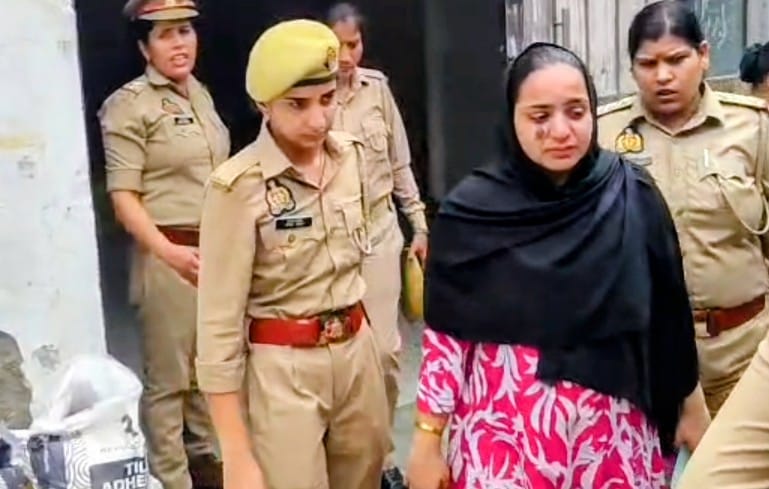
Moradabad: A woman identified as Saniya, a resident of the Jayantipur police outpost area in Moradabad district, allegedly attempted to take her own life by […]
- Strongmen Accused of Encroaching on Public Pathway, Neighbor Allegedly Threatened with Death for Opposing Illegal Gate
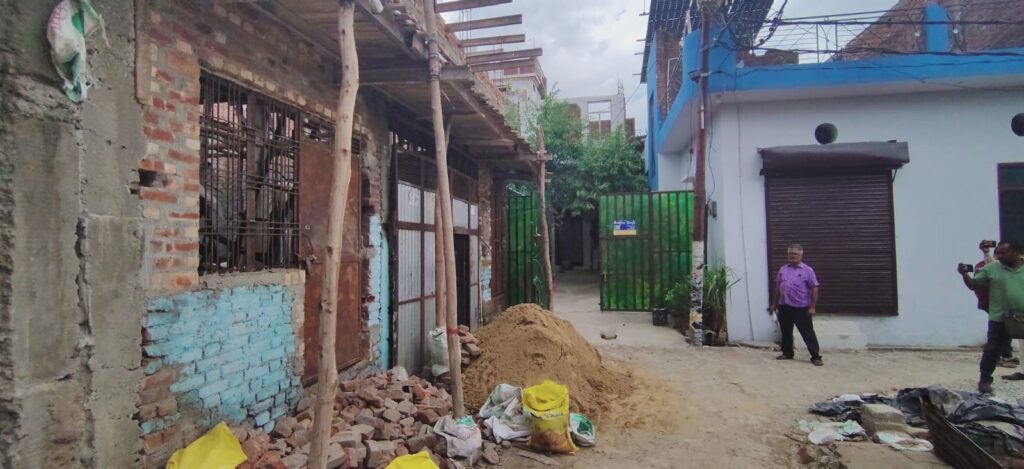
Moradabad (Desk): A case of alleged assault on a couple has come to light after they objected to the installation of an illegal gate on […]
- Samajwadi Party Submits Memorandum to Divisional Commissioner Against Demolition Order of 38 Buildings at Mohammad Ali Jauhar UniversityMoradabad Division: The Samajwadi Party organized a peaceful march and submitted a memorandum to the Divisional Commissioner in protest against
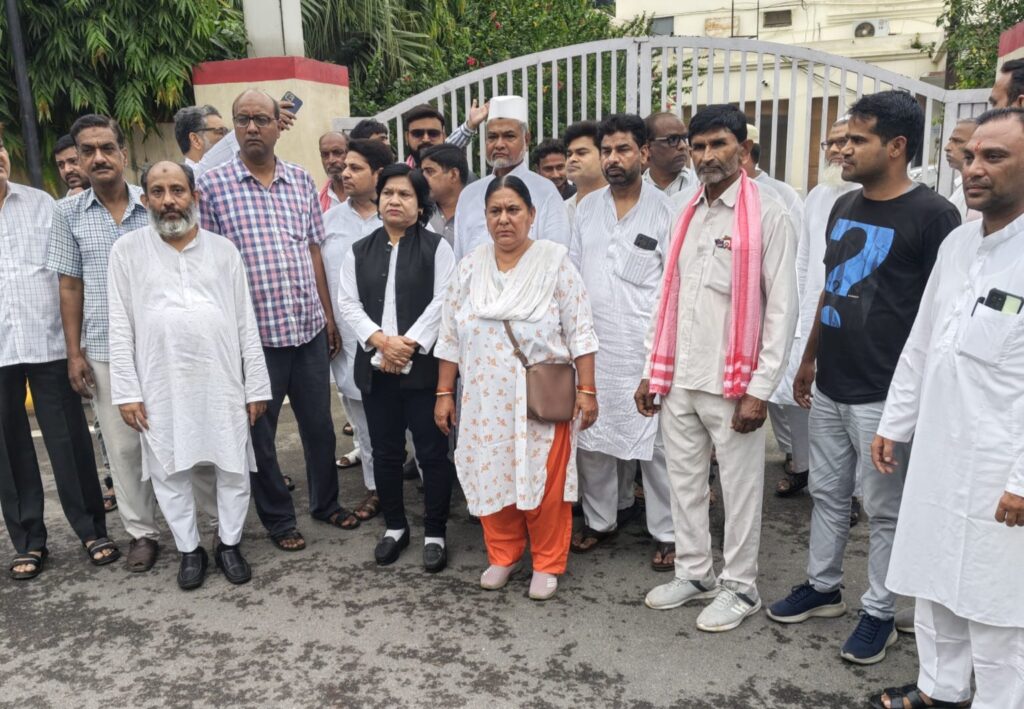
Samajwadi Party Submits Memorandum to Divisional Commissioner Against Demolition Order of 38 Buildings at Mohammad Ali Jauhar UniversityMoradabad Division: The Samajwadi Party organized a peaceful […]
- Satyapal Singh Saini accorded a grand welcome in Moradabad

Satyapal Singh Saini accorded a grand welcome in Moradabad upon becoming BJP State Vice President; honored by the Saini community.A grand welcome ceremony was organized […]
- The sealed Deepa Hospital remains open even after a week due to the connivance of the department in the game of paper sealing
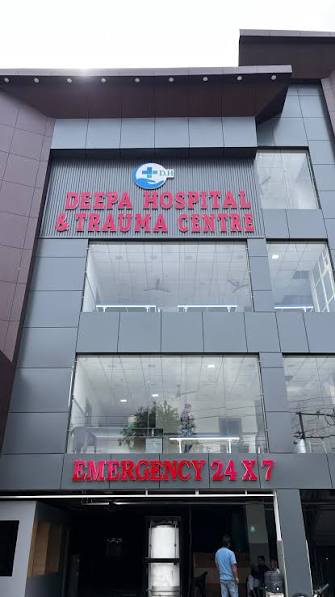
. moradabad (desk) Rules are being blatantly flouted by not shifting patients from the ICU of Deepa Hospital, raising serious questions about the intentions of […]
- A petition was given to the District Magistrate regarding illegal occupation.
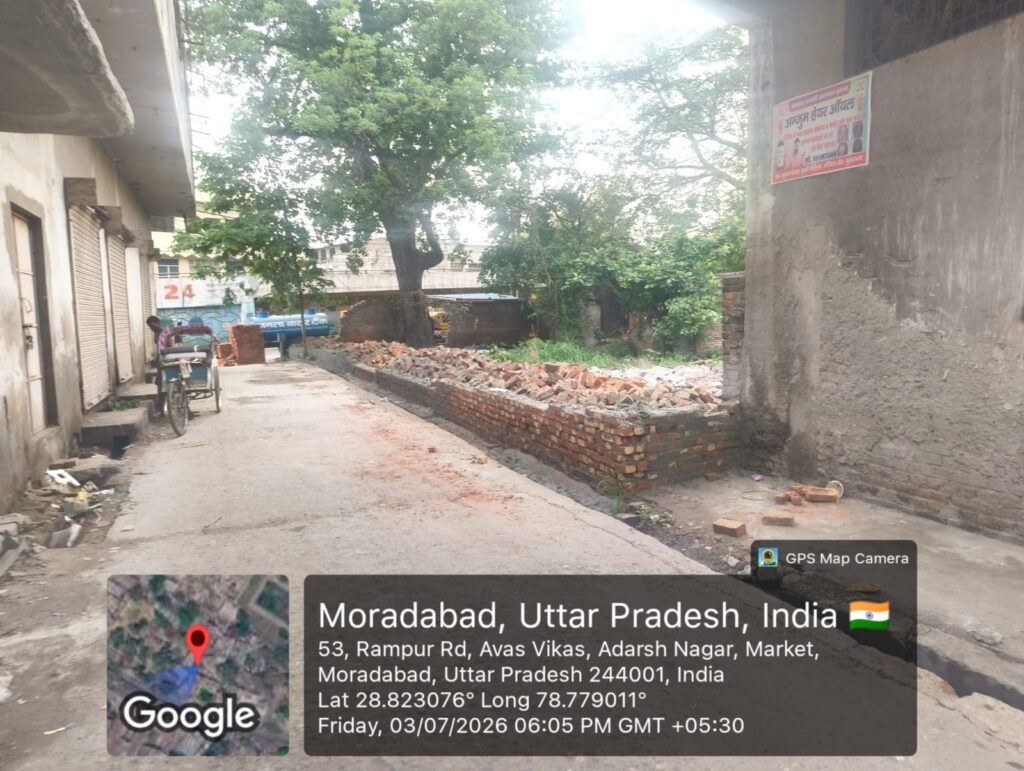
Moradabad. A petition has been submitted to the Moradabad District Magistrate by a victim requesting legal action against anti-social elements and land mafia for the […]
- मुरादाबाद में धान की रोपाई के दौरान आकाशीय बिजली का कहर खेत में गिरी बिजली, 2 की मौत 3 युवतियां घायल
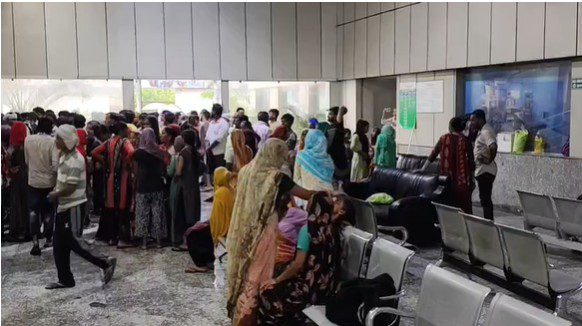
मुरादाबाद(desk) में बारिश के बीच खेत में काम कर रहे मजदूरों पर आकाशीय बिजली गिरने से बड़ा हादसा हो गया। धान की रोपाई के दौरान […]
- Objectionable Video of Head Constable and Woman Constable Goes Viral
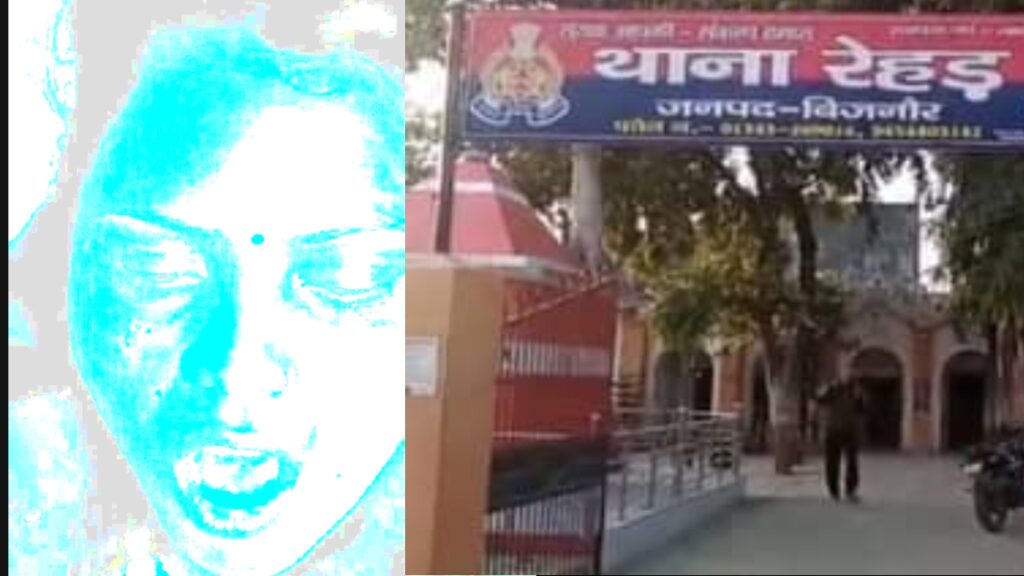
Bijnor (Desk): A shocking video has surfaced from Bijnor district in Uttar Pradesh, creating a stir within the police department. An allegedly objectionable video involving […]